Boulder Arts Blueprint
Leading a comprehensive municipal plan for cultural capacity and investment
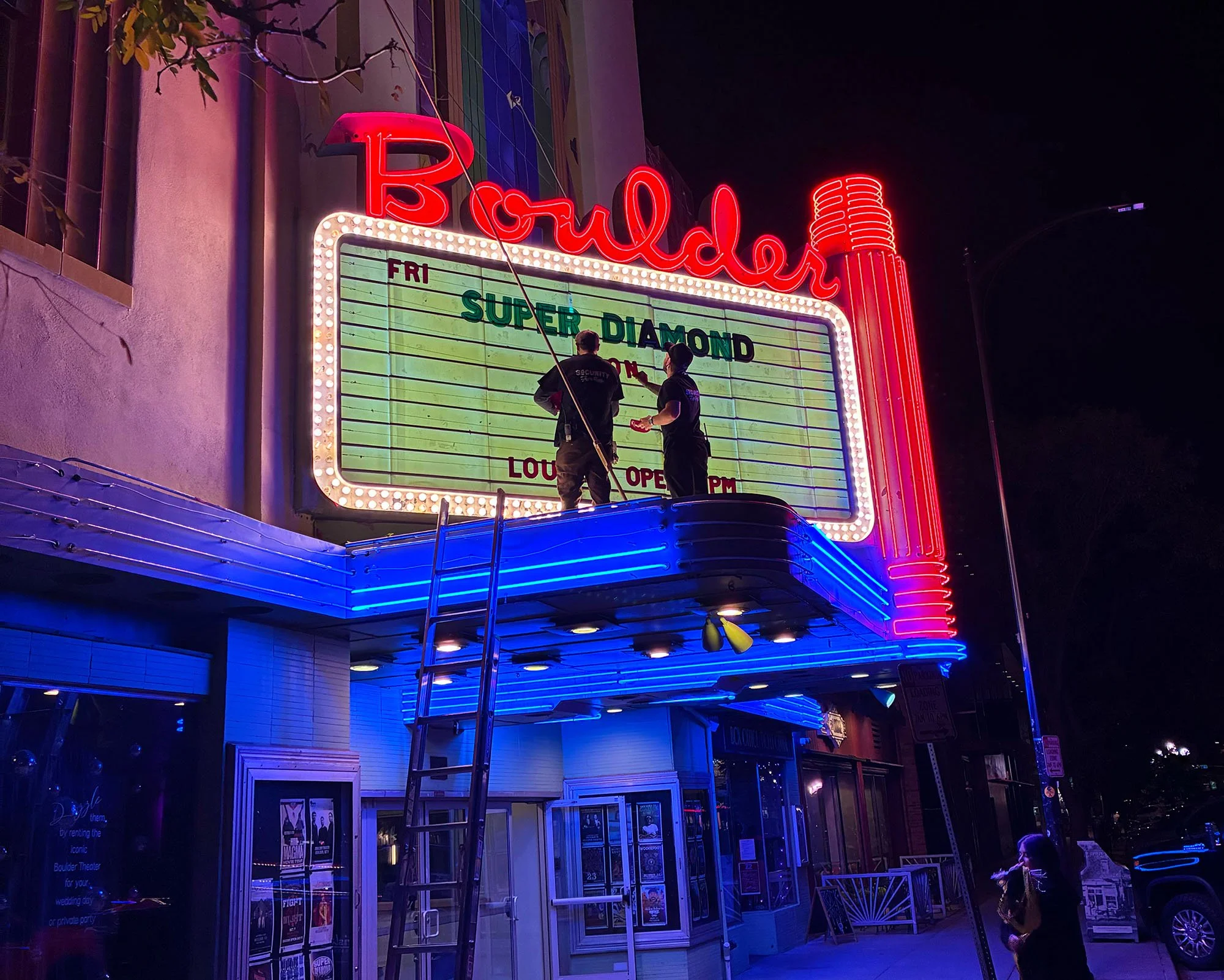
For generations, Boulder has attracted artists, culture-makers, and independent thinkers who shaped the city’s distinctive creative spirit. Today, creativity is as much part of Boulder’s identity as snow sports, and just as economically significant. To maintain this legacy – and catalyze public and private resources – Public Sphere Projects delivered the Boulder Arts Blueprint, a roadmap for generational investment into the cultural and civic life of the city.
As Public Sphere Projects began the planning process, in partnership with the City of Boulder Office of Arts & Culture, the city’s cultural ecosystem itself was shifting. First, the city overwhelmingly passed a dedicated tax to fund the arts. Second, a citywide comprehensive planning process was launched. And third, Boulder was in the running to host the Sundance International Film Festival. These crosscurrents gave a boost to the the planning effort – and also surfaced new tensions and challenges.
Location
Boulder, Colorado
Client
City of Boulder Office of Arts & Culture
Partners
Progressive Urban Management Associates (P.U.M.A.)
Year
2024 - 2026
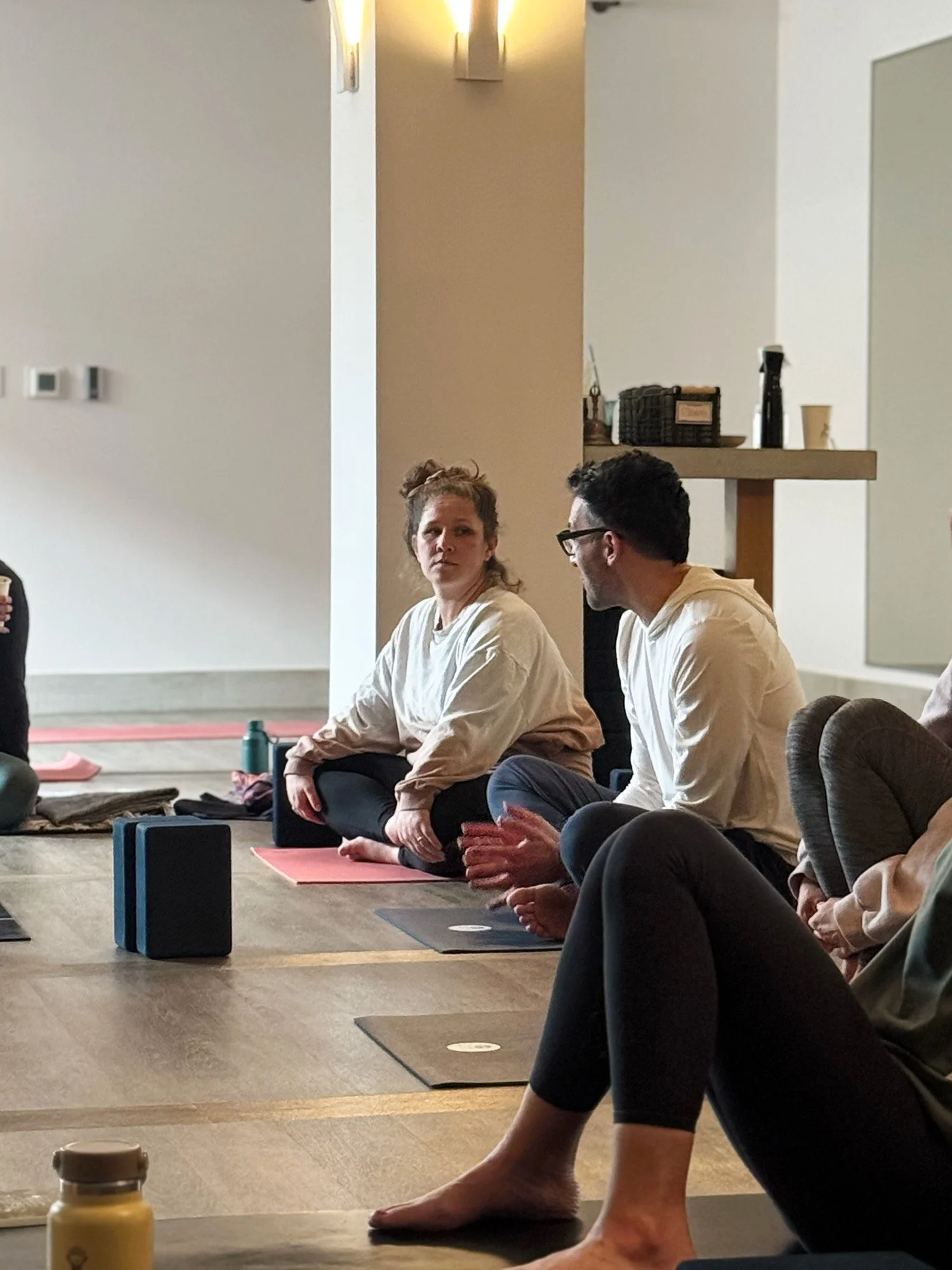
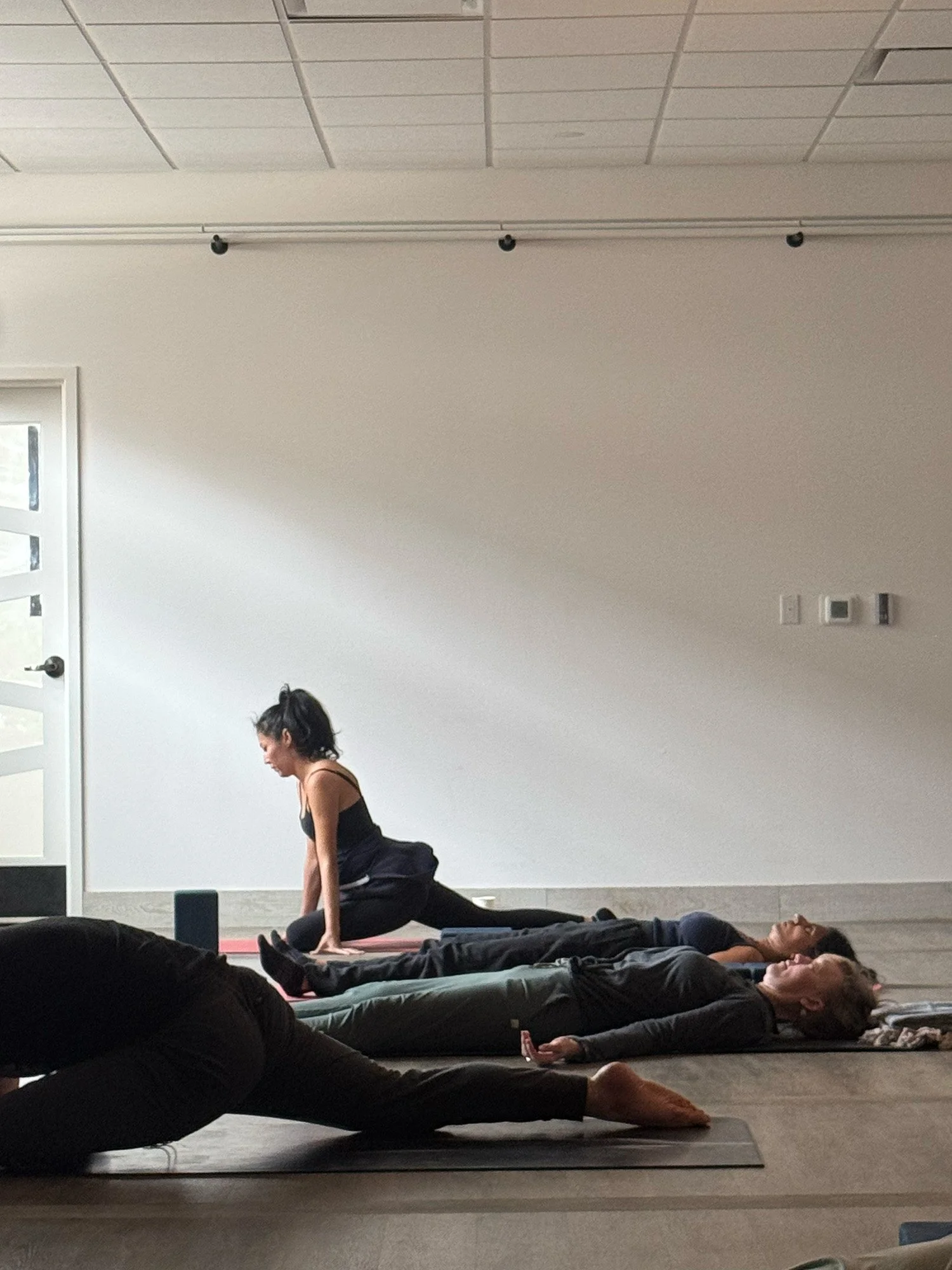
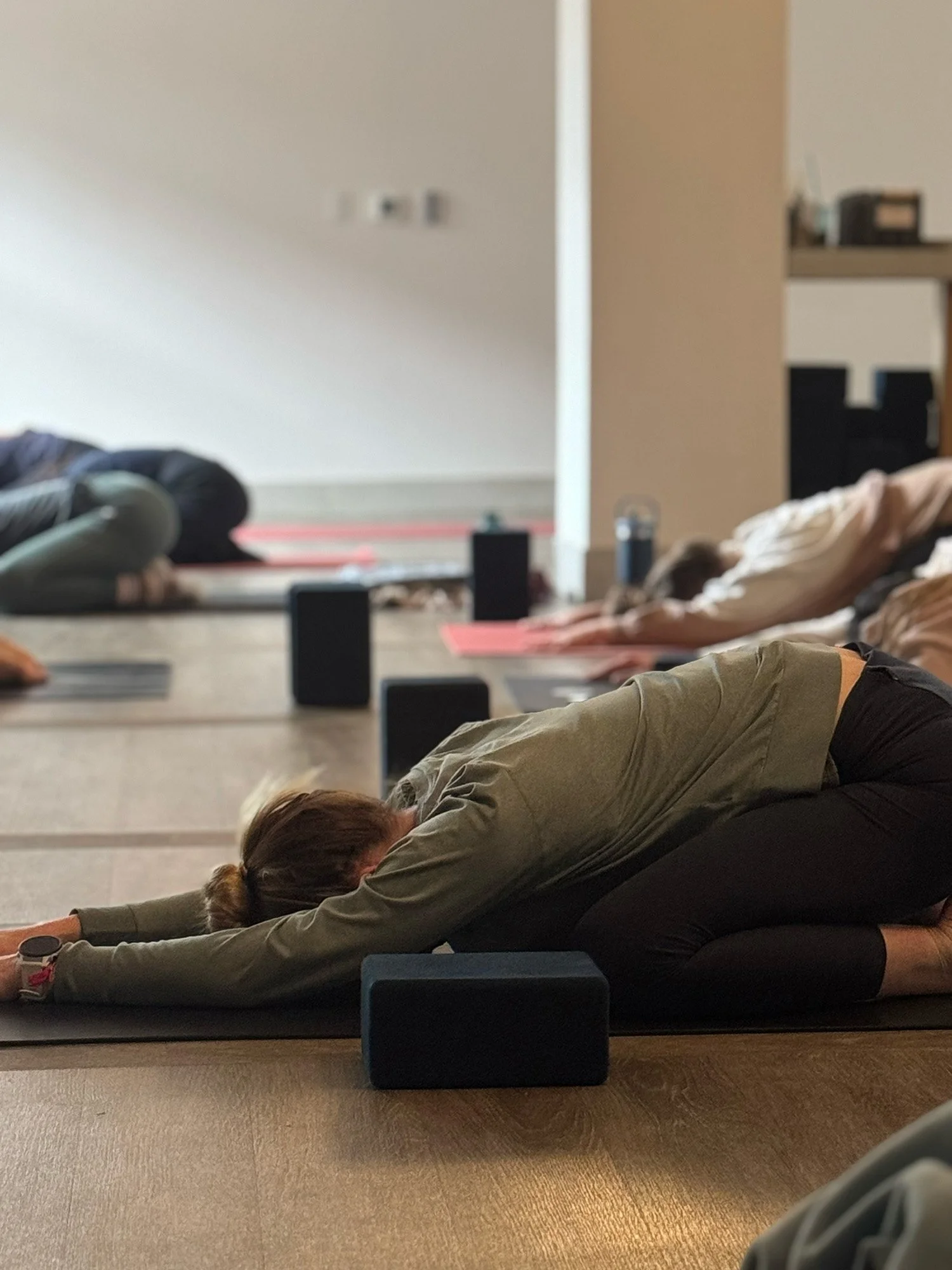
Sit, breathe — Boulder is home to practitioners of contemplative arts, including many associated with the renowned Naropa University. In the engagement phase of the project, we hosted this community in a yoga session, grounding our discussion in movement and breath.
In this context, the Boulder Arts Blueprint was intended to coalesce multiple, at times competing, interests around a shared ten-year vision – a coordinated approach focused on artist livelihoods, creative entrepreneurship, neighborhood vitality, and public cultural life.The Blueprint paired this vision with practical tools (including policy frameworks, funding approaches, programming models, and partnerships) to guide civic leaders and arts administrators in implementation.
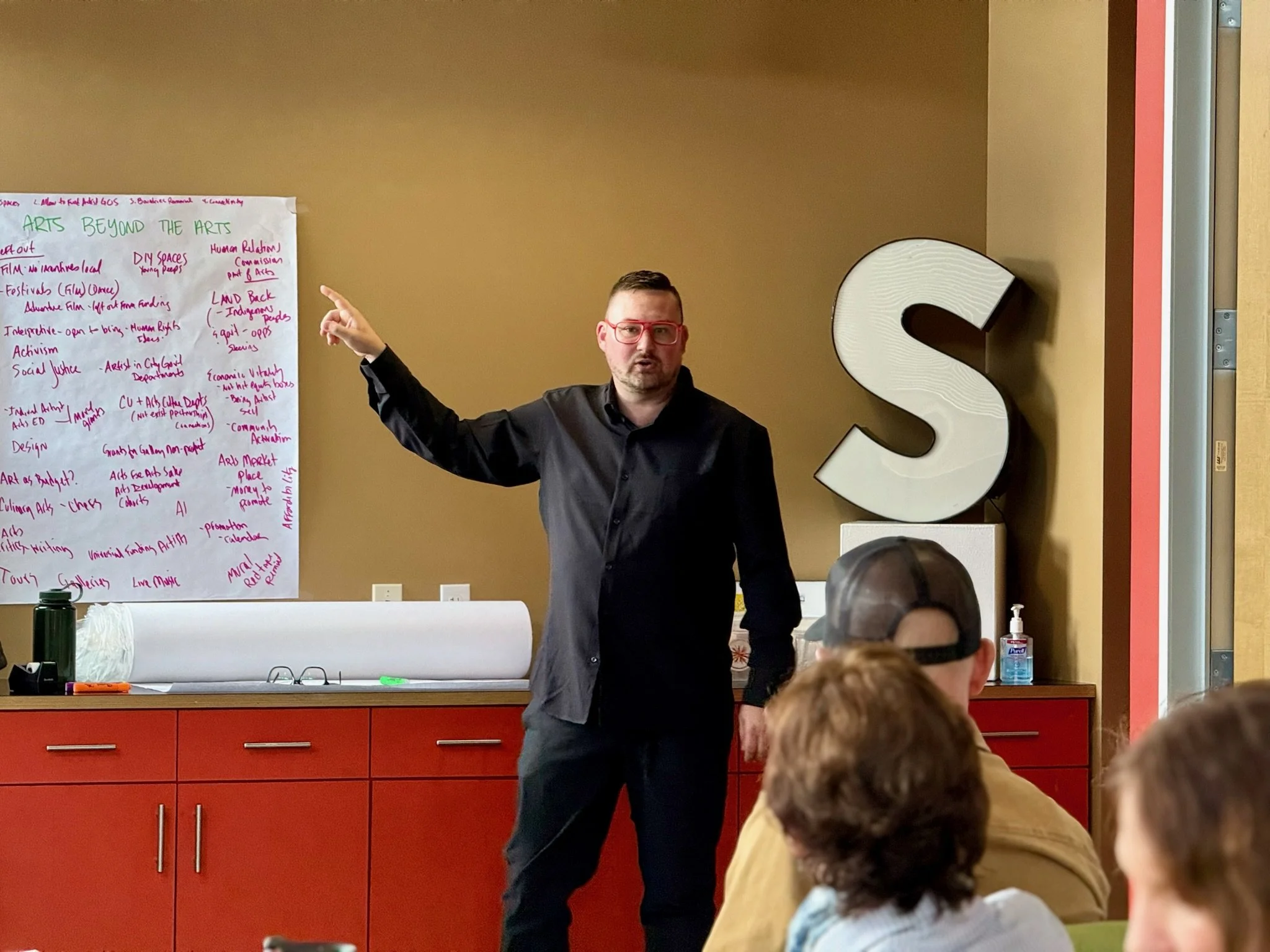
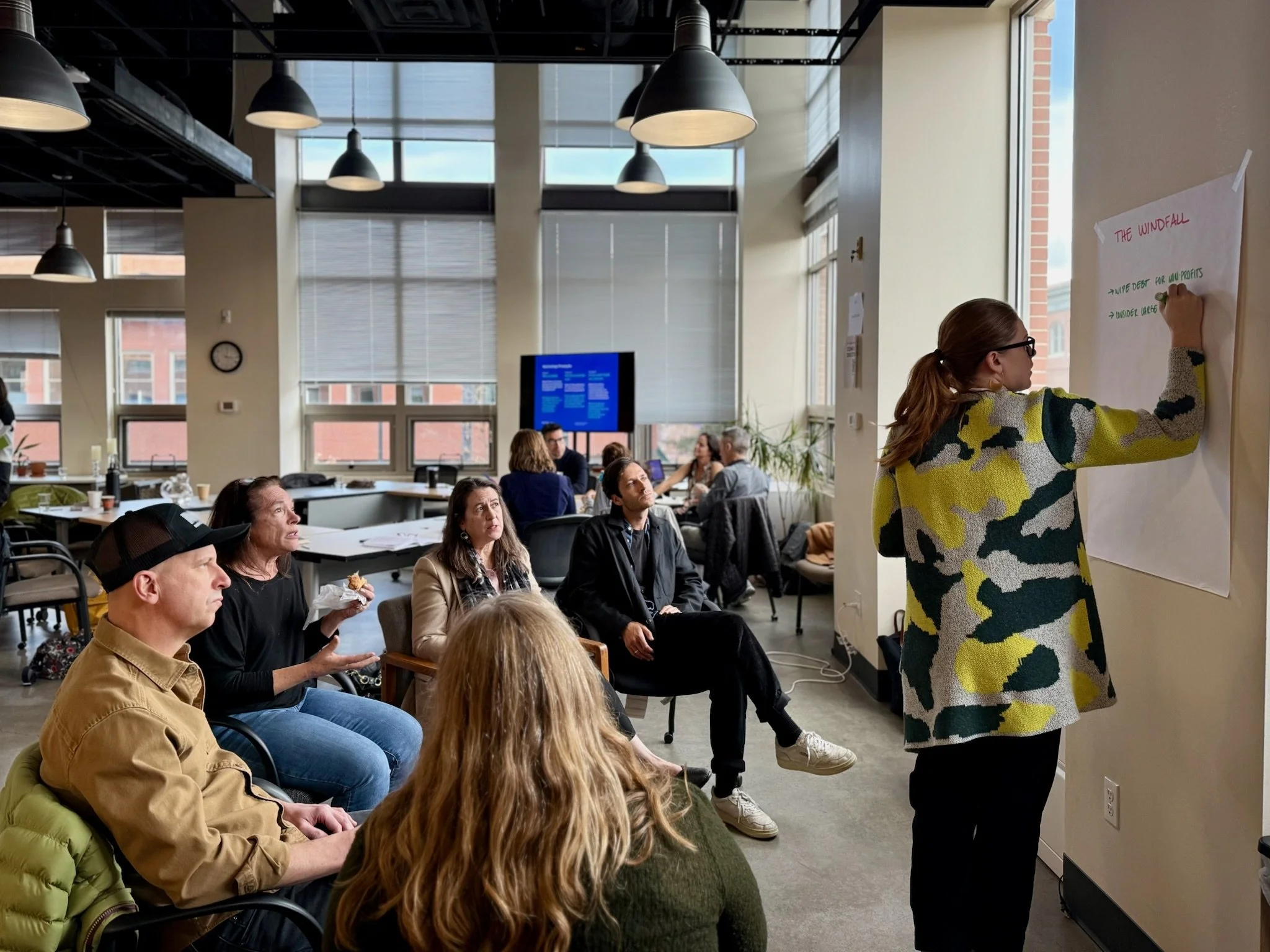
Our team embarked on a two-phase process that grounded arts and culture decision-making in community input, data, and municipal planning priorities. The first phase emphasized broad-based community engagement, paired with rigorous research into place economics, national trends, and comparable markets. In this phase, the Blueprint synthesized extensive input, drawing on ideas shared by more than 2,000 residents through public events, focus groups, and conversations, along with survey responses from 1,200 participants. (We are grateful to our partners at P.U.M.A. for facilitating many of these touchpoints.) The second phase built on a strong foundation by translating input into a coherent theory of change.
“Public Sphere Projects was an invaluable thought partner, helping frame a generational investment in the city’s creative future.”
— Lauren Click, Manager, Office of Arts and Culture, City of Boulder
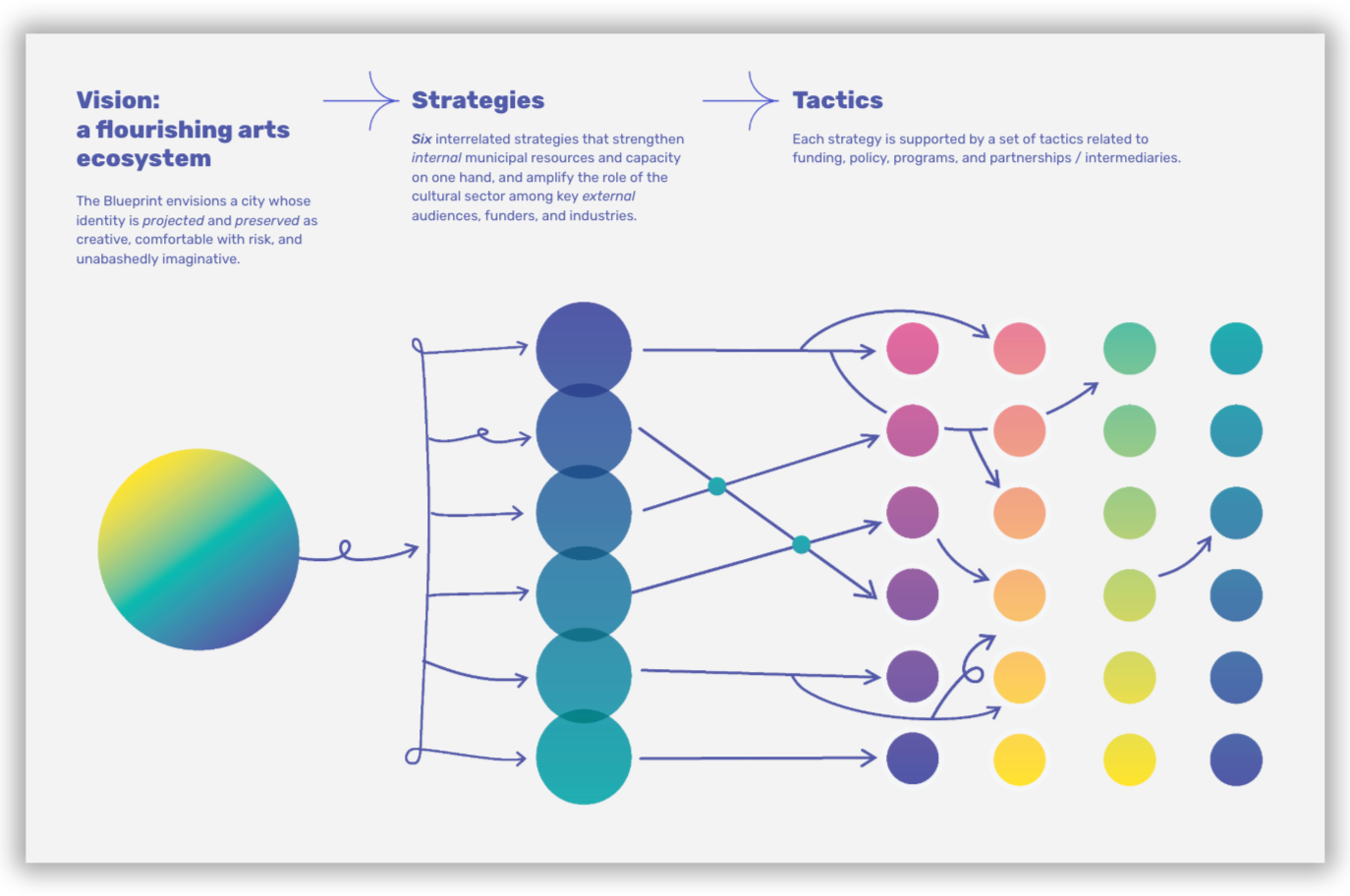
The theory of change model connected Boulder’s future vision to clear outcomes and downstream actions. Recommendations were specific, measurable, and grounded in stated community needs.
The final Blueprint sets forth a clear and ambitious vision for arts, culture, and creativity in Boulder, organized around interconnected goals supported by tangible, measurable outcomes. These goals clarify a focus for the Office of Arts & Culture while providing a pragmatic framework for implementation, accountability, and long-term investment. While responsive to the realities of municipal structures, resources, and programming, the Blueprint extends beyond internal operations. The document establishes a direction for long-term investment and mobilizes public support. It articulates how global assets like the Sundance Film Festival can best fit within—and amplify—the city’s broader arts and culture ecosystem. And it recommends policies, actions, programs, partners, and funding mechanisms that support both anchor institutions and encourage creative risk-taking.
Ultimately, the Blueprint confidently positions the cultural sector as a driver of community vibrancy and innovation. Even before the Boulder Arts Blueprint was formally adopted by City Council, municipal leadership redoubled its commitment to creativity by launching a new Office of Cultural and Economic Development.