

READI 2.0 Arts and Culture Strategy
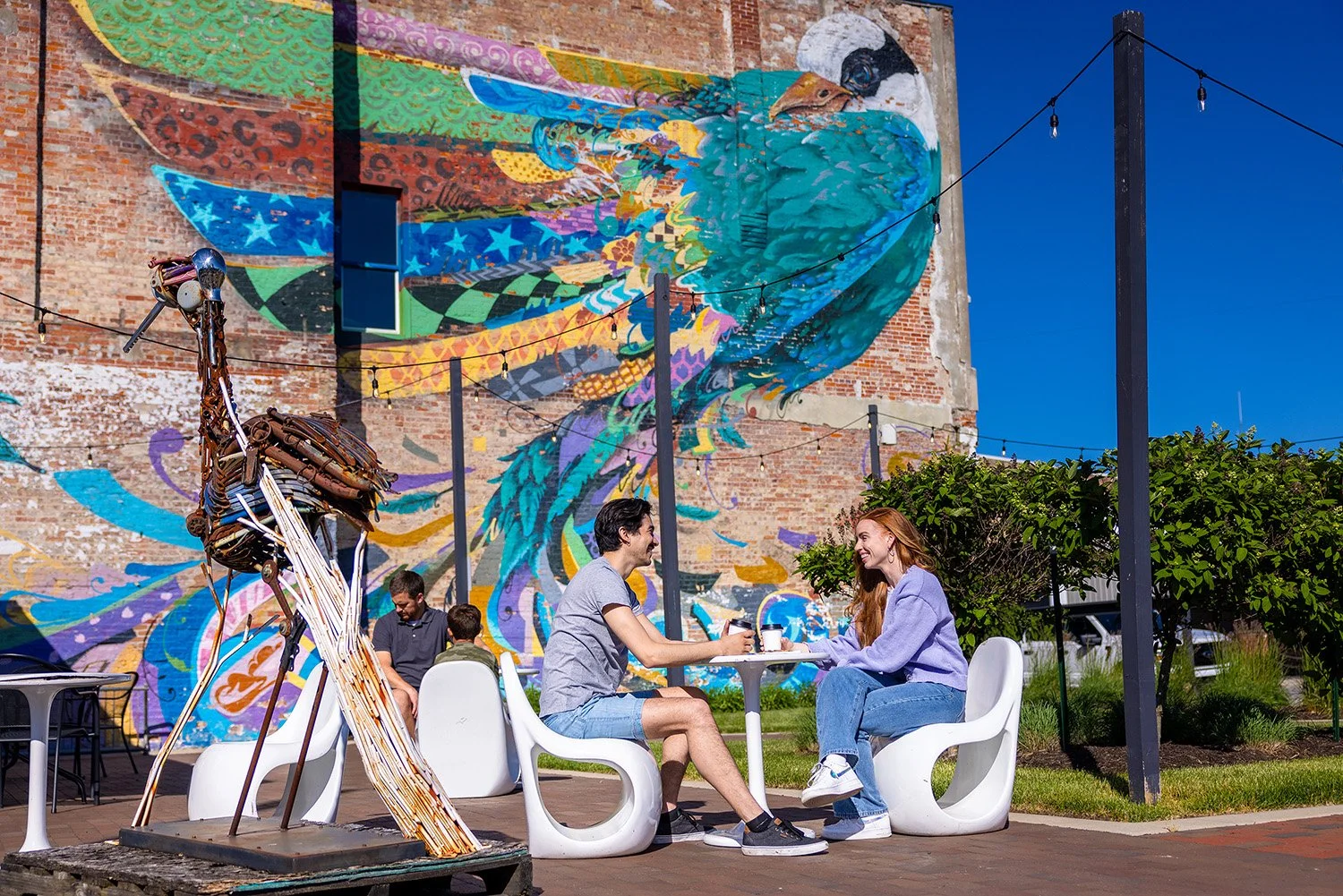
Strengthening statewide capacity for cultural development in Indiana
In 2024, Lilly Endowment Inc. committed $65 million to reinvigorating the arts and culture sector in the State of Indiana. The largest-ever investment in the State’s history promised to reshape the state’s creative ecosystem and infuse resources into capital projects, programs, and culture-makers across the state. A consortium led by the Indiana Arts Commission (IAC) and the Indiana Economic Development Corporation (IEDC) would be responsible for outreach to arts organizations and effective distribution of funds.
Public Sphere Projects led a comprehensive redesign of the grantmaking process, overhauling the application and evaluation process. Our strategic direction ensured funding went to transformational projects in both rural and urban communities and across types of cultural infrastructure. We broadened the definition of the cultural ecosystem, lowered barriers for applicants, and developed an evaluation rubric that correlated the State’s cultural objectives to complementary economic outcomes. Our program design unlocked funding for transformational community-driven projects in both rural and urban settings.
Location
State of Indiana
Client
Indiana Economic Development Corporation and Indiana Arts Council
Year
2024 - present
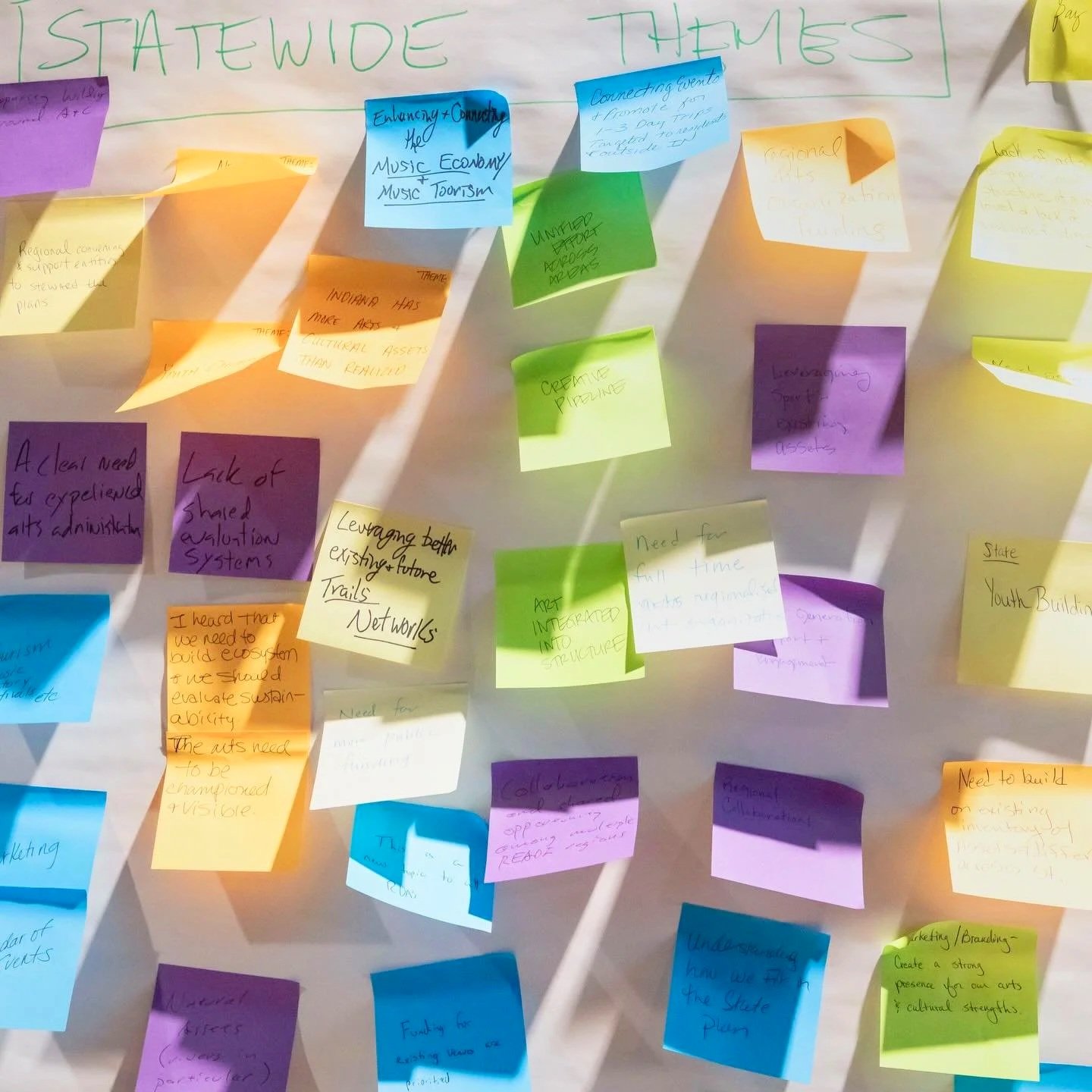
In consultation with IAC, IEDC, and cultural stakeholders, we overhauled the application and evaluation paradigm. Whereas previous State-led grantmaking processes tended to prioritize hard infrastructure projects in which cultural activity appeared as additive, we identified the need to enhance sector capacity, encourage multiple forms of creativity, and sustain a creative ecosystem.
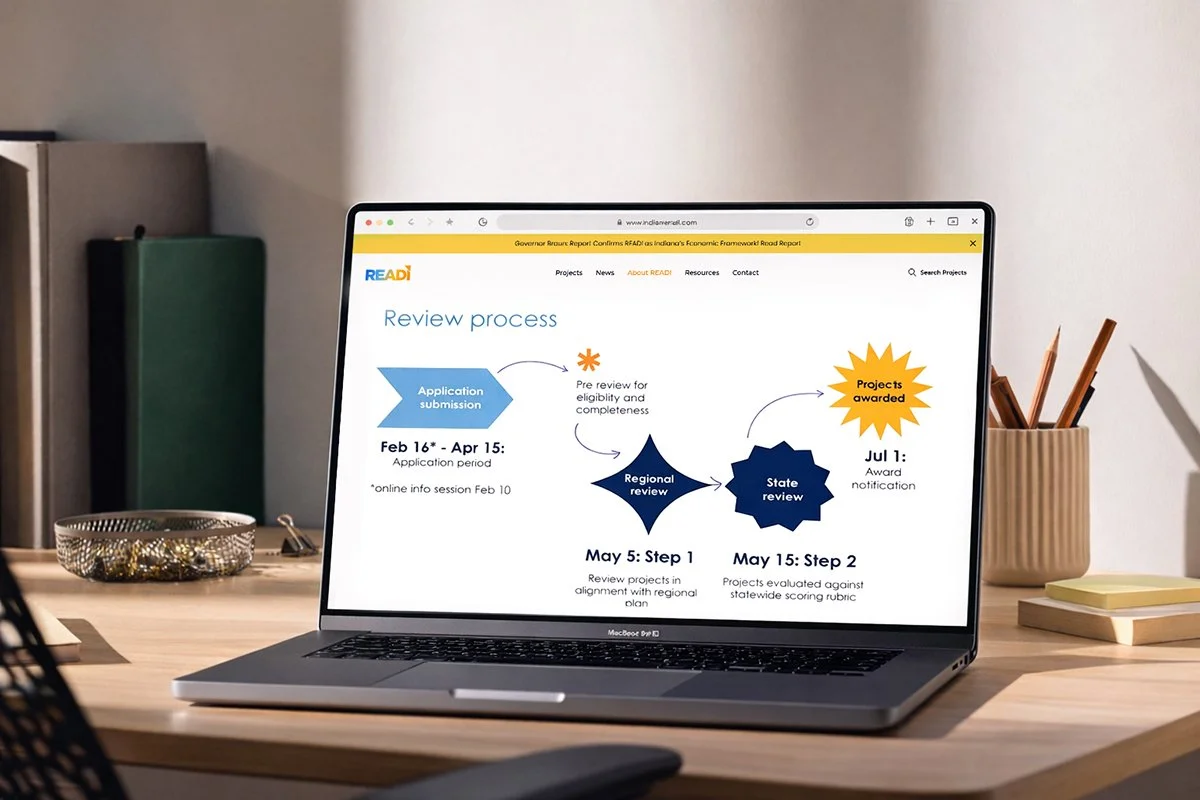
To clarify intent behind this catalytic investment, we rewrote the grant application from scratch, making it accessible both to sophisticated institutions and to community-scaled organizations; a “plain language” guide for applicants further reduced barriers to entry. The accompanying evaluation rubric, meanwhile, emphasized community backing and incentivized cross-sectoral partnerships. Completing the grantmaking cycle is an evaluation framework that collates discrete grantee outcomes with statewide objectives regarding economic development and community vibrancy. We are gratified that, when the grant application went live in 2026, some 319 qualifying proposals from across the State were submitted: the broadest-ever pool of applicants representing a staggering $1.4B in economic activity.
By the numbers
$65 million
in grant funding for the arts committed by Lilly Endowment
319
grant proposals submitted via the revised application process
$1.4 billion
in cumulative economic activity generated by the statewide applicant pool
Additionally, we undertook a thorough analysis of Indiana’s cultural capacity, leading to stronger administrative and technical support and ongoing capacity-building. Recognizing that stewardship of a cultural ecosystem extends beyond signature projects to continuous systems-level work, we undertook a thorough analysis of Indiana’s cultural governance structures. Together with arts leaders, policymakers, and academics, we examined how funding, policy, advocacy, and technical assistance flow across the state — from regional entities to counties to local Main Street organizations. This work culminated in a stewardship and governance strategy, including recommendations for new staff positions and funding mechanisms that will sustain the sector beyond the initial infusion of capital.
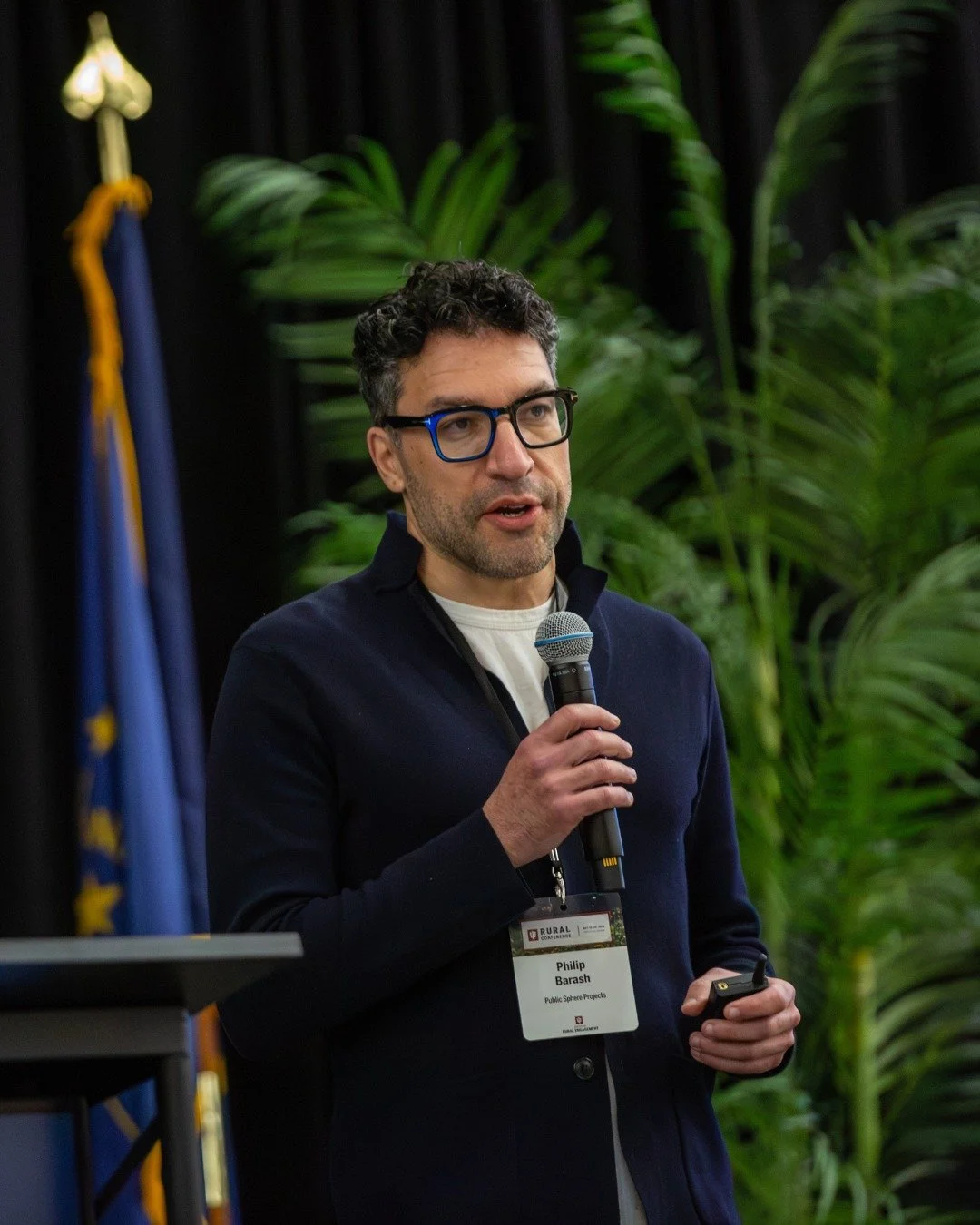
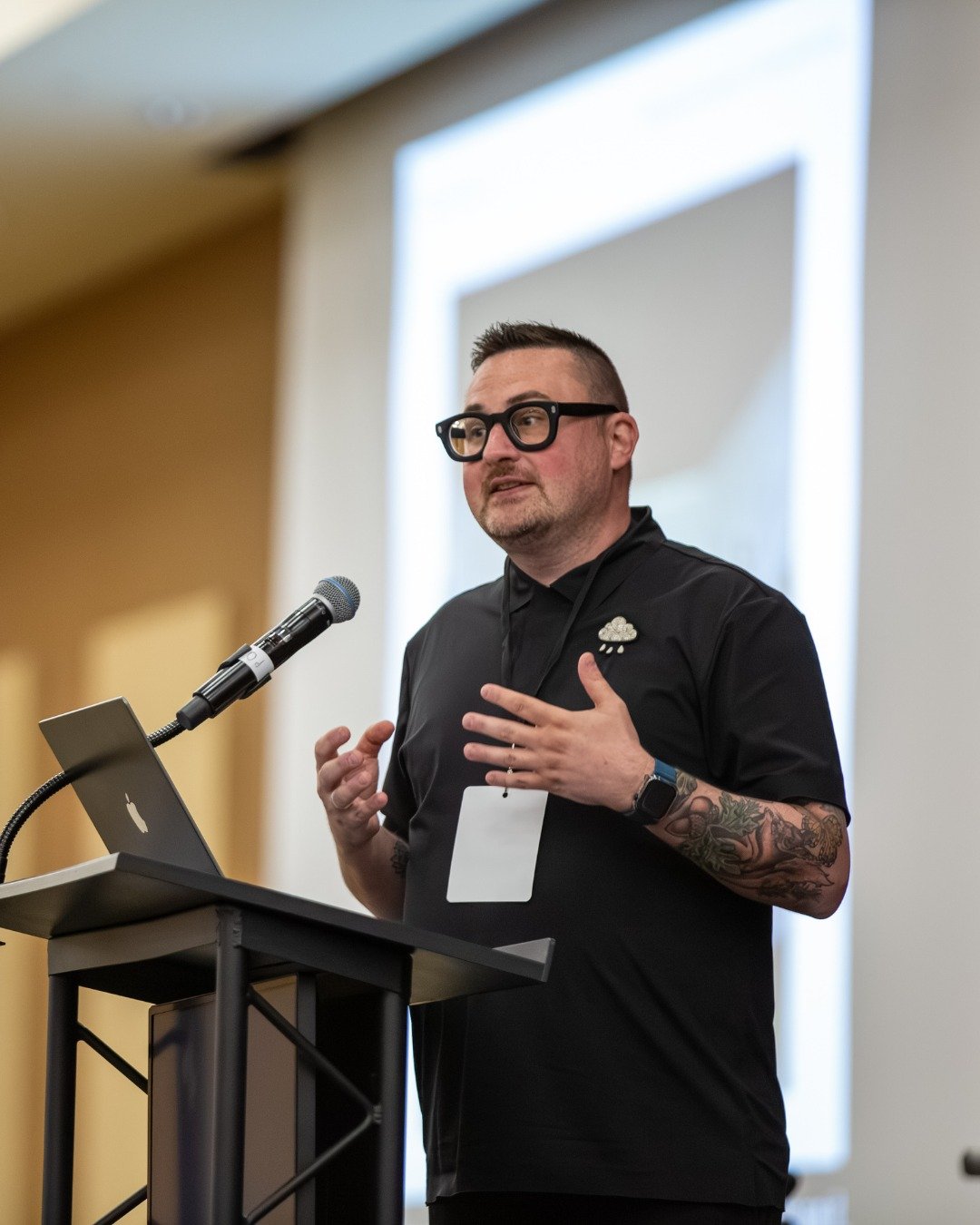
In a keynote at the 2026 Indiana Rural Conference, PSP’s Lucas Cowan and Philip Barash make the case for “social infrastructure.” Drawing on ideas from sociology and first-hand experience of rural Indiana, they explore how local clubs, volunteer organizations, and cultural activities are foundations of future-proof communities. Watch their remarks →
The scale of Indiana’s cultural investment is unprecedented. Deeply understanding its impact on the cultural sector — and beyond — will reveal important lessons for lawmakers, arts administrators, and funders. We were gratified to share early learnings from this body of work as part of a keynote at Indiana University's Center for Rural Engagement, where Philip Barash and Lucas Cowan spoke about how the planning process uncovered the strength of Indiana's social infrastructure — a model for a more connected, resilient nation.
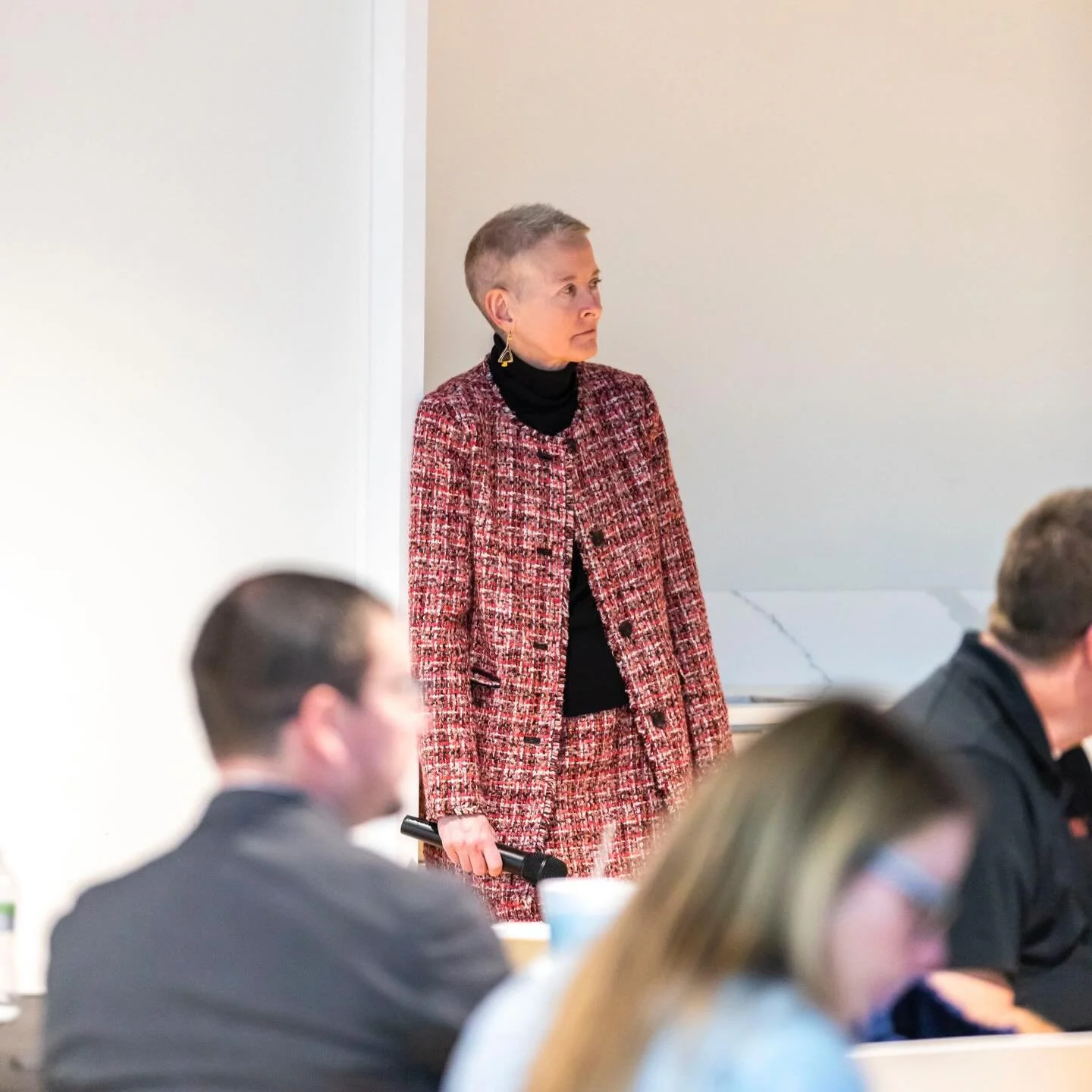
“When Indiana announced the largest-ever investment into culture and creativity, Public Sphere Projects helped envision a statewide approach. Through empathic listening, exhaustive mapping, and smart insights, PSP is transforming a one-time windfall into long-term cultural vibrancy.”
— Miah Michaelsen, Indiana Arts Commission